Understand the optionsAsk better questionsAgree the scope
The short answer
Age is a starting point. It isn’t the whole decision.
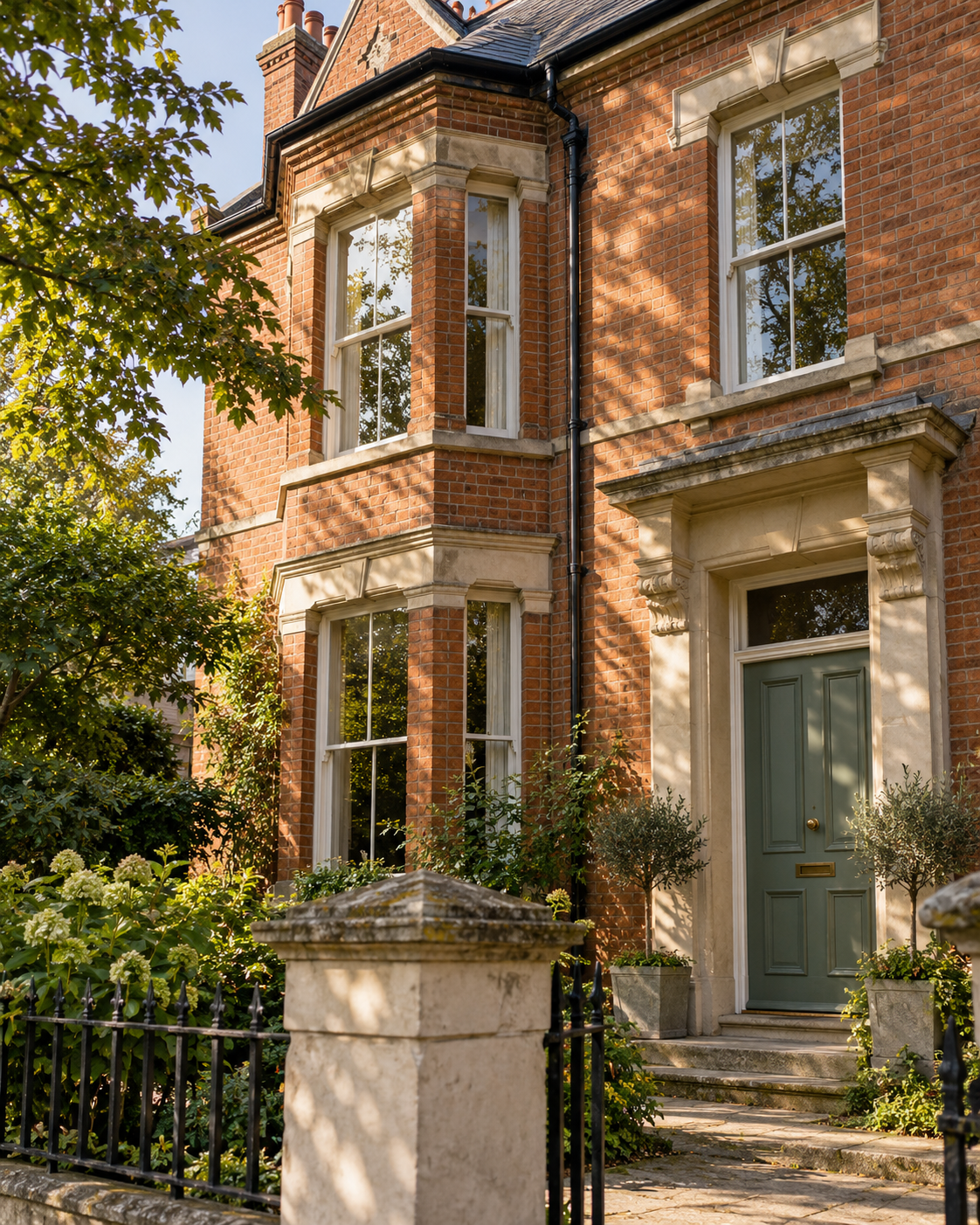
Illustrative image, not a surveyed property.
Before you choose
A Victorian terrace does not automatically need Level 3. Ask a qualified surveyor to consider its condition, construction, alterations and your plans.[1][5]
Fresh decoration and an attractive listing do not establish the building’s condition.
Understand the options
Two services. Different depth.
Use this comparison to start a conversation with a qualified surveyor.
02
RICS Home Survey
Level 2
Generally suited to conventionally built homes in reasonable condition.
Covers main elements, identified problems and maintenance, with less repair analysis than Level 3. Valuation is included only in the survey-and-valuation version.[1][5][6]
What to discuss for a Victorian terrace +
Ask why Level 2 suits this particular house, especially where older materials, defects or alterations are involved.
03
RICS Home Survey
Level 3
Worth discussing for older, larger, altered, unusual or run-down homes, or major planned work.
A more detailed assessment of defects, repair options and future maintenance.[1][3]
Which details change the picture? +
Mention extensions, loft conversions, structural changes, poor condition and major planned work. These inform professional judgement; they do not automatically select the survey level.
Choose the scope that answers your questions. Neither level removes every uncertainty.
Take these to the conversation
Five questions before you book.
You don’t need to diagnose the house. Bring the listing, your concerns and your plans.
Verify the surveyor’s competence and professional details. Confirm the service level and terms. RICS membership, firm regulation and permission to use branded reports are different checks.[7]
Request a sample report. Look for clear findings and limitations, and check whether the scope addresses your plans.
Choose your next step
The right scope. For this house.
Confirm the recommended level, inclusions, exclusions, fee and dates in writing.
Buying around Bristol, Bath or Keynsham? Share the property details and your plans with a qualified surveyor.
Explore the example service page to see how that conversation could start.
Level 2 or Level 3 for a Victorian Terrace? | Alder & Beam
Meta description
Choosing a survey for a Victorian terrace? Compare Level 2 and Level 3, understand the limits, and prepare the right questions for a qualified surveyor.
A fictional practice and an example buyer guide. A real practice’s qualified surveyor must review the wording and service details before publication. Read the sources.